
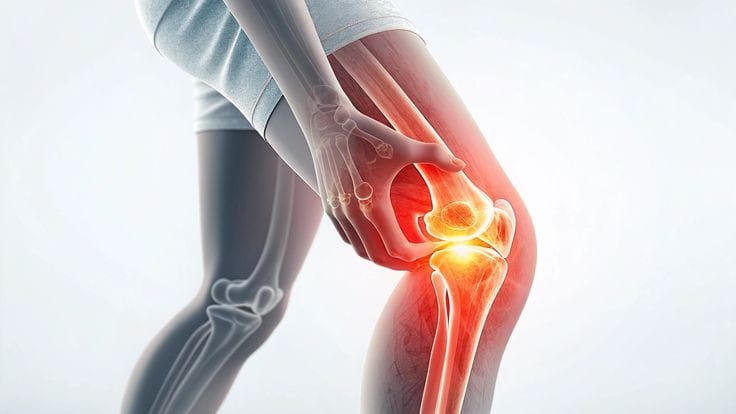
It’s okay that you are searching for a solution to get rid of the pain. The decision to undergo knee joint replacement often comes after years of living with pain. Its common. But what truly excites people is not the surgery itself; it’s what comes after. The freedom of walking without hesitation. Sleeping without discomfort. Living without constantly thinking about your knee.
At Muthu Hospital, we promise you that freedom. Here many patients describe knee replacement as a turning point in their lives. Under the care of Dr. M. Mithran, the focus is not just on performing the surgery but on helping patients live pain-free, confidently, and actively again.
The First Week: Small Steps, Big Progress
The first week after knee joint replacement is all about gentle recovery and building confidence. While patients may expect to stay in bed, the reality is quite different.
Most patients are encouraged to stand and start walking within 24–48 hours with support. This early movement improves blood circulation, reduces stiffness, and speeds up healing.
During this phase, care focuses on:
- Managing pain effectively
- Reducing swelling
- Beginning assisted walking
- Starting basic physiotherapy
Every small step in this phase feels like progress—and it is.
Managing Pain and Building Strength
One of the biggest fears patients have is pain after surgery. The good news is that modern techniques make pain manageable and temporary.
Doctors use a combination of medications, ice therapy, and guided movement to control discomfort. Within a couple of weeks, most patients notice a significant reduction in pain compared to what they experienced before surgery.
But recovery doesn’t stop at pain relief—it moves into strengthening.
Physiotherapy plays a central role in this stage. Carefully designed exercises help:
- Improve flexibility
- Strengthen muscles around the knee
- Restore joint movement
Consistency in physiotherapy is what transforms recovery from “good” to “excellent.”
Getting Back to Daily Life
One of the most encouraging parts of recovery is how quickly patients begin returning to normal activities.
Within a few weeks, many patients are able to:
- Walk independently with improved balance
- Perform basic household tasks
- Sit and stand more comfortably
Activities like climbing stairs and driving are gradually reintroduced, usually within a few weeks depending on individual recovery.
Even simple milestones—like walking without support or standing for longer periods—bring a sense of independence that patients deeply value.
Supporting Recovery Through Lifestyle
Healing after knee replacement is not just about surgery—it’s about how you support your body afterward.
A balanced diet rich in protein, vitamins, and minerals helps tissue repair and improves overall strength. Proper hydration and maintaining a healthy weight reduce stress on the new joint.
Equally important are habits that prevent complications:
- Following physiotherapy regularly
- Keeping the surgical area clean
- Attending follow-up appointments
- Avoiding high-impact strain during early recovery
At Muthu Hospital, patients receive complete guidance—not just for surgery, but for long-term recovery and care.
Life Months After Surgery
As recovery progresses, patients begin to notice something remarkable—the absence of constant pain.
By around three months, most people return to their daily routines with comfort. Walking becomes easier, movements feel smoother, and confidence gradually returns.
One year after surgery, many patients say the same thing:
“I wish I had done it earlier.”
Activities like walking, traveling, cycling, swimming, and even light sports become part of life again. While deep squatting and kneeling are generally avoided, an active and fulfilling lifestyle is absolutely achievable.
How Long Does a Knee Replacement Last?
A well-performed knee replacement can last 15–20 years or more, especially when combined with proper care and a healthy lifestyle.
Maintaining your new knee involves:
- Staying active with low-impact exercises
- Avoiding excessive strain
- Managing body weight
- Following your doctor’s long-term advice
With the right care, your new knee can support you for many years of comfortable movement.
The Emotional Side of Recovery
Recovery is not just physical: it’s emotional too.
After living with long-term pain, experiencing freedom of movement can feel overwhelming in a positive way. Confidence returns. Independence grows. The fear of movement slowly disappears.
Patients who once avoided stepping out begin to travel, socialize, and enjoy life again. This transformation is what truly defines success after knee replacement.
Returning to work depends on the nature of your job. Many patients resume light work within a few weeks, while physically demanding roles may require more recovery time.
Exercise is not only possible after knee replacement; it is encouraged. Activities like walking, cycling, and swimming help maintain joint health and overall fitness. Patients are often surprised at how much they can do again comfortably and confidently.
A New Chapter Begins Here
Knee joint replacement is not the end of a journey; it’s the beginning of a better one.
With expert care from Dr. M. Mithran, who has performed over 2,500 successful joint replacements, and advanced facilities at Muthu Hospital, patients receive complete support from surgery to full recovery.
If knee pain is limiting your life, you don’t have to continue adjusting around it. Take the first step toward a pain-free life. Book your consultation today and start your journey back to confident movement.
Leave a Reply