

Quick Summary
- Hip fractures usually require surgery regardless of age.
- Delaying surgery can increase the risk of serious complications.
- Many elderly patients can walk as early as the next day after surgery.
- A 95-year-old patient at Muthu Hospital successfully underwent hip fracture surgery.
- Bed sores and breathing problems are common when treatment is delayed.
- Fast surgery and coordinated team care help reduce risks.
- Early consultation with an orthopedic surgeon can improve outcomes.
Why Should a Hip Fracture Never Be Ignored?
A hip fracture is not simply a broken bone. For elderly patients, it can become a life-changing event if treatment is delayed. Many families worry about surgery because of the patient’s age. However, orthopedic surgeons often explain that the risks of not operating are usually much higher than the risks of surgery itself.
A fractured hip prevents patients from standing, walking, and moving comfortably. Every day spent in bed increases the chance of complications that can affect overall health and recovery.
What Happened to a 95-Year-Old Patient at Muthu Hospital?
This story is not only about surgery. It is also about trust, family decisions, and doing what is right for a loved one.
A 95-year-old gentleman suffered a fall at home and fractured his hip. His family cared deeply for him and wanted to make the safest decision possible. The patient had four daughters, and understandably, they were worried about whether surgery would be too risky at his age.
For four days, the family discussed the options. Several concerns were raised. Would he tolerate anesthesia? Would recovery be possible at 95?
When the patient finally arrived at Muthu Hospital, the discussion shifted from age to medical facts.
The reality was simple. The hip fracture itself posed a greater threat than the surgery.
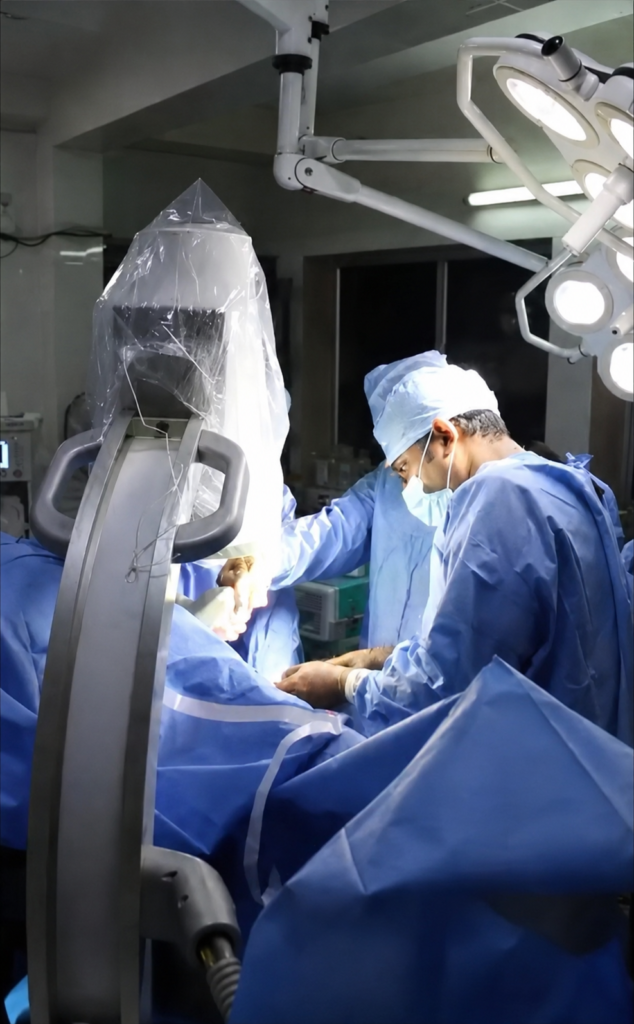
Why Do Orthopedic Surgeons Recommend Surgery for Most Hip Fractures?
Hip fracture surgery is usually recommended because the bone cannot heal properly while the patient remains immobile. Without surgery, many elderly patients become permanently bedridden.
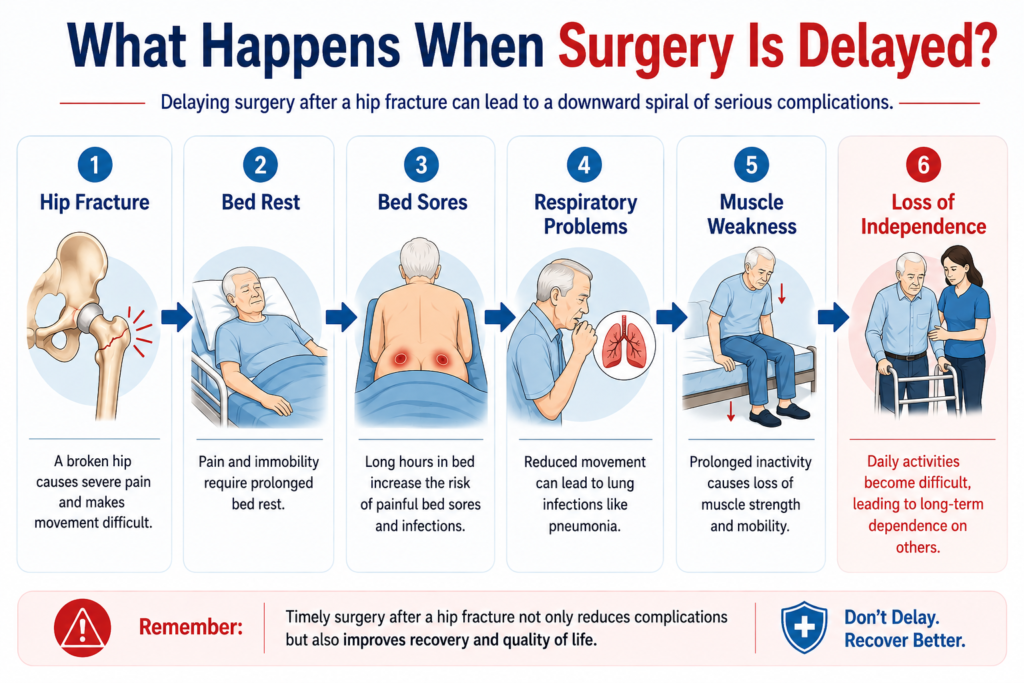
What Happens When Surgery Is Delayed?
When patients remain in bed for long periods, several complications can develop:
- Bed sores due to continuous pressure on the skin.
- Respiratory infections caused by reduced lung expansion.
- Shortness of breath and poor oxygen circulation.
- Muscle weakness from prolonged immobility.
- Loss of independence and quality of life.
Orthopedic surgeons focus not only on repairing the fracture but also on preventing these complications.
Is 95 Years Old Too Old for Hip Fracture Surgery?
Age alone should never determine whether surgery is performed.
Many families believe that advanced age automatically makes surgery unsafe. However, experienced orthopedic surgeons evaluate several factors before making a recommendation.
Factors That Matter More Than Age
- Heart health
- Lung function
- Existing medical conditions
- Overall fitness level
- Ability to tolerate anesthesia
- Current mobility status
A healthy 95-year-old may tolerate surgery better than a younger patient with multiple uncontrolled medical conditions.
The decision should always be based on the patient’s overall condition rather than age alone.
What Are the Benefits of Early Hip Fracture Surgery?
Early surgery allows patients to regain mobility faster and reduces the risks associated with prolonged bed rest.
Early Surgery vs Delayed Surgery
| Early Hip Fracture Surgery | Delayed or No Surgery |
| Early mobilization | Prolonged bed rest |
| Lower risk of bed sores | Higher risk of bed sores |
| Better lung function | Increased respiratory complications |
| Faster recovery | Progressive muscle weakness |
| Improved independence | Reduced quality of life |
This comparison explains why orthopedic surgeons often recommend surgery as soon as medically possible.
How Fast Can Hip Fracture Surgery Be Performed?
Many people assume that hip fracture surgery is a long and complicated procedure.
Modern orthopedic techniques have changed that perception.
For high-risk elderly patients, speed is important. A shorter surgery often means less stress on the body and reduced exposure to anesthesia.
The combination of planning, experience, and teamwork allowed the procedure to be completed efficiently while maintaining safety.
Why Is Teamwork Important During High-Risk Surgery?
Successful hip fracture surgery is rarely the result of one person alone.
Orthopedic surgeons work closely with:
- Anesthesiologists
- Nursing teams
- Operating theatre staff
- Physiotherapists
- Post-operative care teams
Every member plays a role in reducing complications and supporting recovery.
A coordinated team approach helps shorten surgical time, lower infection risk, and improve patient outcomes.
Can Patients Walk After Hip Fracture Surgery?
One of the most common questions families ask is whether elderly patients will walk again.
The answer is often yes.
Many patients can begin standing and walking with assistance as early as the next day after surgery. Early mobilization improves circulation, reduces complications, and boosts confidence.
For the 95-year-old patient treated at Muthu Hospital, the goal was simple: help him return to movement as quickly and safely as possible.
Early walking remains one of the biggest advantages of timely hip fracture surgery.
Why Is Early Consultation With an Orthopedic Surgeon Important?
Families often spend valuable time discussing options after a hip fracture. While these conversations are understandable, delays can increase medical risks.
An experienced orthopedic surgeon can:
- Assess the fracture accurately
- Explain treatment options clearly
- Evaluate surgical risk
- Coordinate medical support
- Develop a recovery plan
Early medical guidance allows families to make informed decisions with confidence.
Looking for an Experienced Orthopedic Surgeon for Hip Fracture Surgery?
A hip fracture should never be ignored, regardless of age. Early treatment can help patients regain mobility, reduce complications, and improve their quality of life.
At Muthu Hospital, Dr. M. Mithran and the orthopedic team provide comprehensive fracture care, trauma surgery, joint replacement procedures, and specialized treatment for elderly patients.
If you or a loved one has suffered a hip fracture, seek medical advice as early as possible.
Book a consultation today and learn how timely hip fracture surgery can help restore mobility and independence.
Frequently Asked Questions
What is hip fracture surgery?
Hip fracture surgery is a procedure used to repair or replace a fractured part of the hip joint. The goal is to restore stability, reduce pain, and help patients return to walking safely as soon as possible.
Is hip fracture surgery safe for elderly patients?
Many elderly patients successfully undergo hip fracture surgery. Orthopedic surgeons carefully assess overall health, heart function, lung function, and medical history before recommending surgery.
Can a 95-year-old patient undergo hip fracture surgery?
Yes. Age alone does not determine whether surgery is possible. Many patients in their nineties undergo successful hip fracture surgery when medically appropriate.
How soon should hip fracture surgery be performed?
Most orthopedic surgeons recommend surgery as soon as the patient is medically stable. Early treatment helps reduce complications associated with prolonged bed rest.
What happens if a hip fracture is left untreated?
Untreated hip fractures can lead to immobility, bed sores, respiratory complications, muscle weakness, and reduced quality of life.
How long does hip fracture surgery take?
The duration varies depending on the fracture type and procedure. In some cases, experienced surgical teams can complete the operation very quickly.
When can patients walk after hip fracture surgery?
Many patients begin standing and walking with support within one day after surgery, depending on their overall condition and recovery progress.
Why should I consult an orthopedic surgeon after a hip fracture?
An orthopedic surgeon can accurately diagnose the injury, explain treatment options, assess surgical risk, and create a recovery plan that helps restore mobility and independence.
Leave a Reply